- May Every Life Have Peace
- 929.348.4884
- 929.348.4885
- intake@stxavierhcs.com

Why Portfolio Tracking + Transaction Simulation Changed How I Manage DeFi
The Rise of Online Gambling: A Full Guide
April 7, 2025How to Identify the Best Online Casinos
April 8, 2025Whoa! I skimmed the space for years. My gut said wallets were missing something important. Medium tools felt clunky; interfaces treated me like a blockchain tourist. After some digging, a few products stuck out and made me rethink the whole workflow because they combined portfolio visibility with transaction simulation in a thoughtful way that actually reduces mistakes.
Really? That surprised me. I kept losing track of token exposures across chains for months. Balances looked fine, but compositional risk was hiding. At first I shrugged it off as “work in progress” in the ecosystem, but then I had a swap that went sideways on a complex route and I woke up. That woke me up fast, and I now pay attention to tooling around simulation and tracking.
Whoa! Trading without a dry-run is risky. Simulation is not just convenience. It’s an error-catching layer that prevents costly slippage and failed gas logic. When transaction simulation previews the real chain effects and shows me potential MEV or sandwich risk, I change my approach—sometimes I cancel a trade or split it into smaller parts to reduce attack surface and fees, which sounds nerdy but saves real dollars.
Hmm… this part bugs me. Portfolio screens are often glorified balance lists. They miss inferred positions, yield overlays, or pending approvals. I want to see effective exposure—what my derivatives and LP positions really mean for impermanent loss risk and taxable events—right next to my wallet balance. On one hand visual simplicity is helpful; though actually I prefer layered detail that you can peel back when needed.
Whoa! Simulation felt magical the first time. It showed an approval that would have left tokens exposed to a contract. Two clicks saved me from a mess. My instinct said “this should be standard,” and honestly, I’m biased toward tools that reduce human error because humans are… humans. We get tired, we mis-click, we forget to set slippage, and somethin’ as simple as a simulated preview reduces those very real mistakes.
Really? Yes, and here’s why. A good simulation model inspects the mempool path, estimates gas and reverts, and surfaces edge cases before you hit send. Medium wallets often show only raw gas estimates, but advanced ones replay the call stack and report token changes as if the chain had executed, which helps me reason about complex routes. Initially I thought that was overkill, but then I realized many DeFi actions are multi-contract choreography and that extra rehearsal matters.
Whoa! Security isn’t sexy until you lose funds. Approvals are the classic trap. Too many apps ask for unlimited approvals and users accept them reflexively. A wallet that groups approvals, warns about unusual allowance sizes, and lets you revoke quickly is worth far more than aesthetics. I’ll be honest: the revocation UX is a feature I care about more than some shiny animation.
Really? I’m still somewhat old-school about private key hygiene. I use hardware, multi-wallet separation, and keep a tidy threat model. That said, a wallet that layers protections—transaction simulation, approval management, and a clear account separation model—changes behavior: I interact with new dApps more confidently, and I test risky transactions in a simulated environment first. On the analytical side, that pattern reduces cognitive load and leads to fewer mistakes over time, which compounds into real savings.
Whoa! There are tradeoffs. Simulation is only as good as the blockchain’s current state snapshot and oracle inputs. It can miss reorgs, mempool front-running by bots that weren’t present during the simulation, or off-chain oracle manipulation. So you still need a human-in-the-loop decision, and you should set slippage sensibly and consider timing, though simulation gives you a far better baseline than blind execution would.
A practical workflow that saved me time and ETH
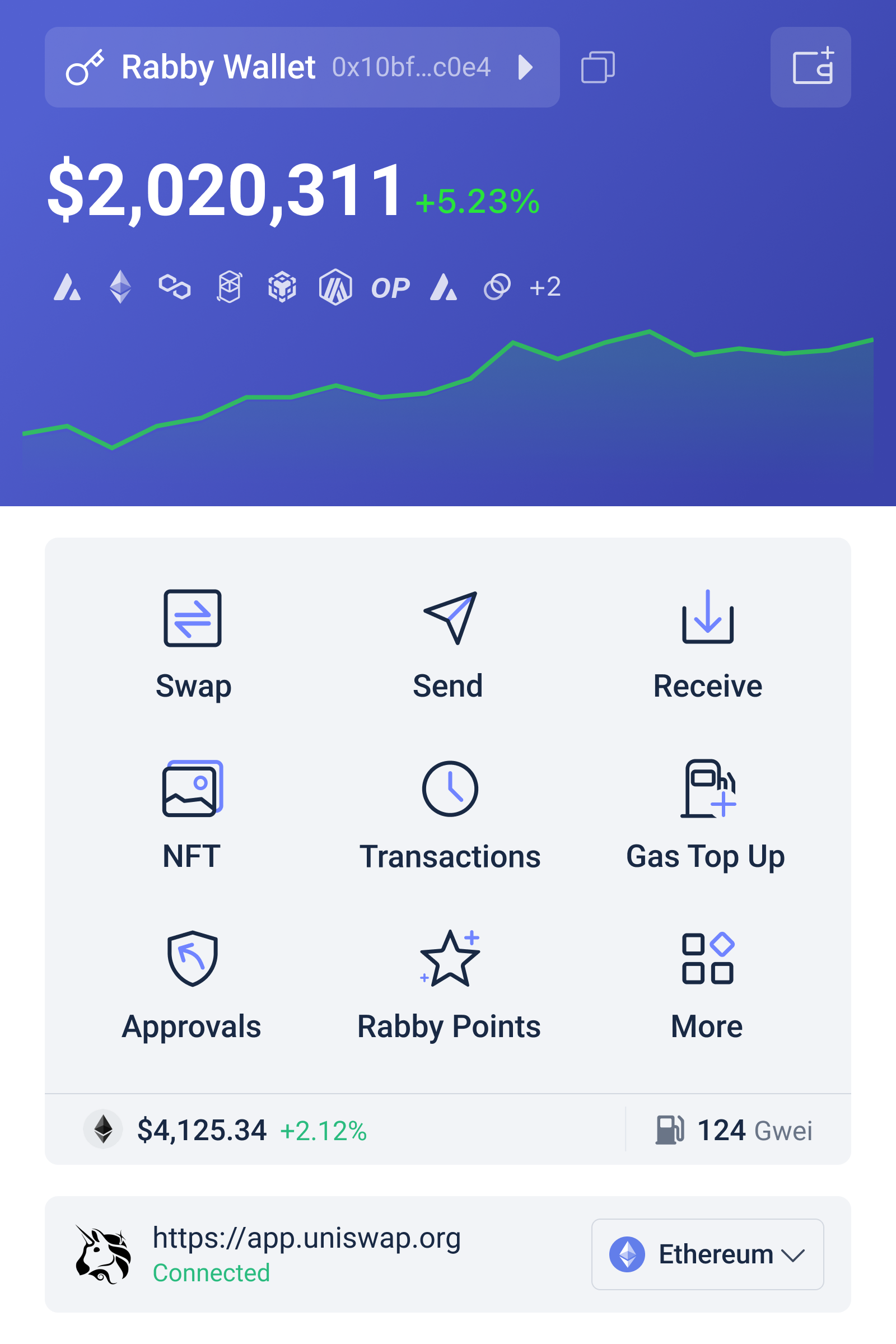
Okay, so check this out—my nightly routine now includes portfolio reconciliation, pending transaction review, and simulated dry-runs of any multi-step DeFi moves (I do this even for what feel like small trades). I open my accounts, glance at effective exposure, and then simulate: if the preview flags an approval, unexpected transfer, or high slippage scenario, I stop and reassess. I’ll be honest, this saved me from a bad LP exit during a volatile moment last quarter because the sim caught an unexpected path that would have left me with an orphaned token. For anyone serious about DeFi, combining continuous portfolio tracking with transaction simulation—paired with a wallet that makes these features accessible—changes the risk equation and the speed of confident execution; that’s why I recommend trying tools like rabby wallet if you want a more rehearsal-driven approach to your onchain moves.
Whoa! I want to be clear: no single product is perfect. Sometimes UX is clunky. Sometimes cross-chain tracking misses bridge states or pending txs from relayers. That said, the direction is clear—wallets that provide richer mental models of your positions and preview execution paths reduce surprises and save money. On one hand developers should standardize better metadata exposure across chains, though actually wallet-side improvements can carry users forward while the broader infra evolves.
Really? Here’s what I do when exploring a new DeFi protocol. First, I sandbox interactions: small-value transactions, simulation replay, and checking the call traces that some wallets present. Second, I audit the approval scope and set explicit allowances when possible. Third, I reconcile the portfolio after each experiment to ensure there are no lingering tokens or approvals. It’s repetitive, but a repeatable habit beats ad hoc caution every time.
Whoa! People often ask about gas economics. Gas optimization is more than saving gwei. It’s about timing, bundling transactions, and choosing routes that reduce onchain hops. A simulation that reports gas on a per-step basis helps me decide whether to batch approvals or delay until congestion eases, and that’s where small UX details turn into big savings. Seriously, those savings add up over months of frequent trading.
Hmm… some features are underrated. Portfolio attribution—knowing which trades caused a balance change—is huge for mental accounting. Tax reporting benefits too. If a wallet shows realized gains, token swaps, and yield accruals neatly, then the cognitive load of bookkeeping drops immensely. I’m not 100% sure every implementation is tax-grade, but the direction is promising and it saves me spreadsheet hours, which I hate very very much.
Whoa! There are human factors too. If a wallet makes simulation results cryptic, users will ignore them. Good design surfaces actionable warnings and suggests fixes, like “reduce slippage to 0.5%” or “split this swap to avoid sandwich attacks.” UX matters; clear color cues, concise language, and step-by-step previews reduce hesitation and foster safer behavior. I’m biased toward tools that teach as you click because that improves community safety over time.
Really? Let’s talk about multi-account strategies. I separate funds by purpose: active trading, long-term holding, and experiment funds. A wallet that tracks all accounts and consolidates visibility helps me manage those buckets without mixing intentions. When simulation also shows cross-account interactions or token flow, I can avoid accidental transfers that blur ownership boundaries, which is a surprisingly common user error that costs time and anxiety.
Whoa! The mental model shift matters. Previously I treated wallets as mere keys. Now I think of them as rehearsal stages and dashboards that shape behavior. That perspective makes me more deliberate with risk, and it encourages smaller test trades and staged rollouts of new strategies. Initially I thought this would slow me down, but actually it speeds decision-making because I trust the tools to surface edge cases before I commit.
Really? There are still gaps to solve. Cross-chain simulation fidelity is uneven. Some relayers and bridges introduce uncertainty that a wallet cant’ fully simulate yet. Also, oracle delays oracles or external price feeds create windows where previews diverge from execution. These are solvable problems, but they require coordination between wallets, infrastructure providers, and dApp teams to raise the baseline safety for all users.
Whoa! Final thought—behavioral engineering in wallets matters as much as raw features. Nudge patterns that encourage simulation, revoke approvals, and separate accounts lead to safer DeFi for everyone. It’s simple psychology: reduce friction for safe choices and increase friction for risky ones. I’m excited about the tooling evolution, and I’m curious where we go next—more automation, better cross-chain observability, and smarter defaults that still let power users customize deeply.
FAQ
What is transaction simulation and why use it?
Transaction simulation replays a proposed action against a recent chain state to predict outcomes, token flows, and potential errors, which helps you catch approvals, slippage, reverts, or MEV exposure before signing.
How does portfolio tracking fit into day-to-day DeFi?
Portfolio tracking surfaces exposure across chains and positions, making it easier to see risk concentrations, track yield, and reconcile trades for tax and strategy, reducing surprises from orphaned tokens or hidden approvals.
Can these tools replace good security practices?
No. They complement hardware wallets, careful seed management, and sound operational security, but they do reduce human errors and provide rehearsal that prevents common costly mistakes.
