- May Every Life Have Peace
- 929.348.4884
- 929.348.4885
- intake@stxavierhcs.com

Why I Started Trusting My Browser Wallet Again (and How Rabby Helped)
Bezpečné Kasino českém
December 12, 2025Slots On Mobile
December 12, 2025Whoa—this caught me off guard. I was tinkering with browser wallets after a long day. They all promise convenience, but security often feels like an afterthought. Initially I thought a simpler extension would be enough, but then I realized that integration, key management, and UX choices matter a lot, especially when you start moving real value across chains. On one hand you need speed and low friction, though actually you also need clear safety cues and recovery options that won’t make your head spin at 2 AM.
Really? Yes, really. My instinct said watch for permission prompts and odd RPC defaults. I tried a few extensions and hit small UX traps that could cost money. For example a misleading approval flow or an unclear transaction nonce can lead to repeated approvals or accidental replays, which can be devastating if you aren’t paying close attention. So I dug in, read code snippets, and ran some local tests; that hands-on step showed patterns you can’t spot by screenshots alone.
Hmm… somethin’ was off. I wanted a wallet that respected multi-chain habits without being a confusing Swiss army knife. It had to balance clear gas settings with helpful defaults and not bury options under eight menus. At that point I found a different approach, which felt lean but powerful, and although I won’t claim it’s flawless, the thoughtfulness around contract approvals and per-site permissions stood out. Actually, wait—let me rephrase that: the design choices reduce common mistakes, and when combined with clear transaction previews they lower the chance of accidental approvals for complex DeFi calls.
Where to start (and a practical next step)
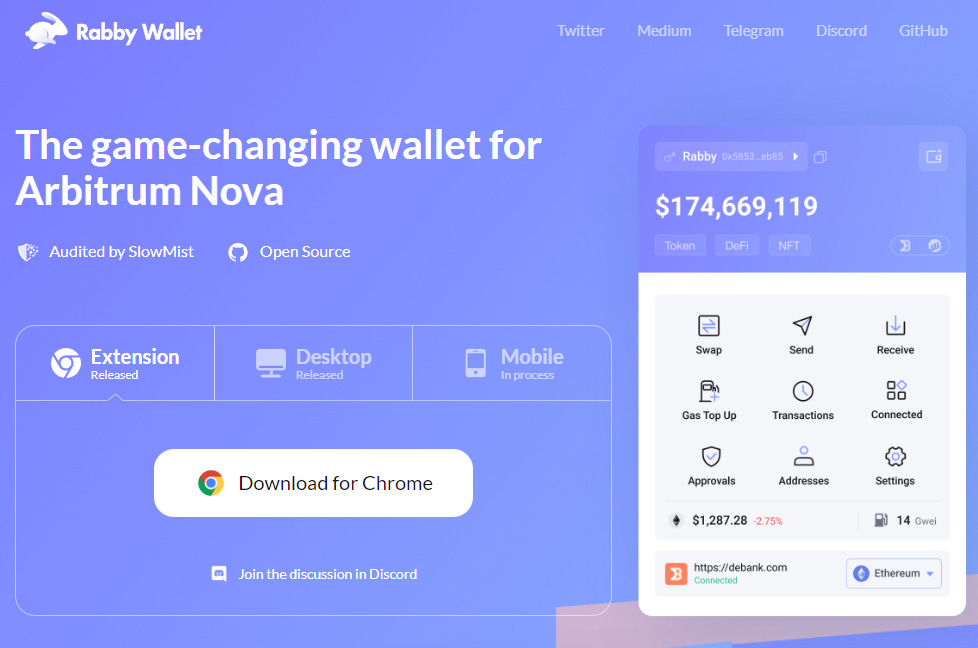
Here’s the thing. If you’re curious you can get the extension and try it in a testnet or with tiny amounts. I downloaded it, toggled a few settings, and watched how approvals were grouped. Downloading and installing isn’t glamorous, though the onboarding helped me set up a secure seed, and that first-run experience nudged me toward disabling risky RPCs while enabling useful features like token insights and contract allowlisting. For a straightforward start, try the official rabby wallet download page and follow the steps carefully, but of course verify checksums and make sure you use the right browser store to avoid phishing clones.
Whoa, that surprised me. Security features matter more than neat UX when money is involved. Rabby’s approach to approvals and allowlists felt pragmatic and usable. On the flip side some power users may find certain automations limiting, though these constraints can actually prevent costly mistakes when inexperienced dApps request broad token approvals. On one hand advanced users want raw power, and on the other hand newcomers need guardrails, which makes wallet design an exercise in careful compromise and iterative testing.
Okay, quick note. I’ll be honest, I’m biased toward tools that default to safer options. This part bugs me about many wallets—too many permissive defaults and vague warnings. If you adopt any extension you should momentarily use a burner account, verify contract addresses, and check that the extension’s permissions match the actions you intend to perform, especially when bridging or giving approvals to unfamiliar contracts. Ultimately the best practice is incremental exposure: start small, learn how transaction details map to on-chain behavior, and then increase the amounts and complexity as your confidence grows.
FAQ
Is a browser extension wallet safe enough for daily DeFi use?
Short answer: yes, if you follow good practices. Use small test amounts at first, enable allowlists, and avoid keeping large funds in a single hot wallet. Also, consider combining an extension with hardware wallet support for higher-value holdings (oh, and by the way—backup your seed phrase offline).
Can I import my seed from another wallet?
Usually yes, though importing seeds has its own risks—once a seed exists on multiple devices, the attack surface grows. If you’re moving funds, do it in stages and double-check derived addresses before sending everything over.
